
If you are searching for a medical power of attorney in Alabama, here is the first thing to know: Alabama does not use a standalone "medical power of attorney" form the way some states do. Instead, Alabama law uses the Advance Directive for Health Care, a single document that combines two things, a way to name the person who speaks for you (your health care proxy or agent), and a way to record your own wishes about treatment (your living will). You can also name a proxy through a separate durable power of attorney for health care. Whichever route you take, the goal is the same: making sure the right person, guided by your wishes, makes medical decisions if you cannot.
Alabama Healthcare POA: Quick Answer
- In Alabama, healthcare planning is handled through the Advance Directive for Health Care, which names a health care proxy and records your treatment wishes.
- Minimum age: 19 (Alabama's age of majority)
- Witnesses: Two qualifying witnesses (not your proxy, not a relative, not an heir)
- Notary required: No, for the standard Alabama advance directive
- Financial authority: Not included, a separate durable financial power of attorney is required
This guide explains how it all works in Alabama: who can serve as your agent, when the document takes effect, what decisions your agent can and cannot make, and the mistakes that cause these documents to fail when families need them most. At Colvin & Sawyer Law Offices, attorney Valerie Sawyer works closely with Alabama families, including veterans and seniors, on the healthcare planning documents that protect them when it matters most.
Why Every Alabama Adult Needs These Documents, Not Just Seniors
Many people assume healthcare directives are only for retirees. In reality, a serious accident, an unexpected illness, a military deployment, a pregnancy complication, or a routine surgery can leave an adult of any age temporarily unable to make medical decisions. Every Alabama adult age 19 or older should have these documents in place, so the people they trust, not uncertainty or a court process, guide their care. The best time to sign one is long before you need it, because you can only create one while you still have decision-making capacity.
"A healthcare power of attorney names the person. An advance directive tells that person what to do. You need both, and having only one leaves your family without the full protection they deserve."
Medical Power of Attorney vs. Advance Directive in Alabama
Because Alabama combines these into one instrument, it helps to separate the two jobs it does. The health care proxy part names a person. The living will part records your wishes. People often use "medical power of attorney" to mean the first part, naming an agent, but in Alabama that designation lives inside the Advance Directive for Health Care.
| Health Care Proxy (the "who") | Living Will / Advance Directive (the "what") |
|---|---|
| Names a person to decide for you | Records your own treatment wishes in writing |
| Makes medical decisions in real time | Gives specific instructions in advance |
| Flexible, adapts to the situation | Specific, especially about end-of-life care |
| Your chosen agent speaks for you | Your written choices guide the agent and doctors |
Your living will commonly addresses:
- Whether you want life-sustaining treatment if there is no reasonable expectation of recovery
- Your wishes about artificial nutrition and hydration
- Your preferences about pain management and comfort care
- Whether you want to die at home, in hospice, or in a hospital setting
- Organ and tissue donation wishes
Alabama Legal Requirements for a Health Care Directive
For an Alabama Advance Directive for Health Care to be valid, the law sets specific rules that trip up many do-it-yourself forms:
- Age: The person signing must be at least 19 years old (Alabama's age of majority) and of sound mind.
- Writing, signature, and date: It must be in writing, signed, and dated by the person making it.
- Two qualifying witnesses: Two adults must witness the signing. Your witnesses cannot be the person you name as your health care proxy, cannot be related to you by blood or marriage, and cannot be someone who would inherit from you. Choosing the wrong witnesses is one of the most common reasons a directive fails.
- Notarization: Alabama does not require notarization for the standard advance directive, but it does require the two qualifying witnesses.
Healthcare POA vs. Financial Power of Attorney in Alabama
This is the single most common misunderstanding families run into, usually at the worst possible moment. Naming someone to make your medical decisions gives them no authority over your money. These are two separate documents doing two separate jobs.
| Healthcare POA / Proxy | Financial (Durable) POA |
|---|---|
| Consent to or refuse medical treatment | Access bank accounts |
| Speak with doctors and hospitals | Pay bills and manage cash flow |
| Authorize or decline surgery | Manage property and investments |
| Choose a care facility or nursing home | Pay for that facility |
| Access medical records | File taxes, sign contracts |
| Direct hospice and end-of-life care | Handle insurance and benefits paperwork |
Do I Need Both?
For most people, yes. Consider what happens with only one: a daughter with healthcare authority can admit her father to a care facility but cannot access his account to pay for it. A son with financial authority can pay the bills but cannot direct his mother's treatment. Families routinely discover this gap in the middle of a crisis. If you are setting up documents for a parent, our companion guide covers the financial side: Power of Attorney for Aging Parents in Alabama.
How They Work Together
The healthcare power of attorney is the who. The advance directive is the what. Without a healthcare power of attorney, no one has legal authority to speak for you. Without an advance directive, your healthcare agent has to guess at your wishes during one of the most difficult moments of their lives. See also: Power of Attorney for Aging Parents in Alabama. Both belong in a complete Alabama estate plan, alongside a durable (financial) power of attorney and, for many families, a will or living trust. Veterans and their families have extra considerations we cover in estate planning for Alabama veterans.
Who Should You Choose as Your Health Care Agent?
The person you name is one of the most important choices in the whole document. A good Alabama health care agent is someone who:
- Will honor your wishes, even when they differ from what the agent would choose
- Can stay calm and make decisions under pressure
- Lives close enough, or is available enough, to show up when it matters
- Is willing to ask hard questions and advocate with doctors and hospitals
- Can handle conflict, including pushback from other family members
A spouse or adult child is the most common choice, but the right person is not always the closest relative. Someone who cannot bring themselves to withhold treatment you would not want, or who buckles under family pressure, is not the right agent no matter how much you love them. Always name at least one alternate agent in case your first choice is unavailable, and avoid naming two people who must agree, which invites deadlock at the worst possible moment.
Can a Healthcare Power of Attorney Override You in Alabama?
No, not while you have the capacity to make your own healthcare decisions. This is the fear that keeps many people from signing one, and the answer should be reassuring. Signing a healthcare directive does not hand over control of your life. While you can understand and communicate your medical choices, you decide, full stop. Your agent has no authority to overrule you, move you, or consent to treatment on your behalf.
The document only becomes operative when a physician determines and documents that you can no longer make or communicate those decisions. Even then, your agent is bound to follow the wishes you recorded, not substitute their own preferences. And if you regain capacity, authority returns to you.
When Does the Directive Take Effect?
This is a common source of fear, and the answer is reassuring: your health care directive does not take away any of your rights while you can still make decisions. It only activates when a physician determines and documents that you are unable to understand or communicate your own medical choices. As long as you have capacity, you remain fully in control. Your agent cannot overrule you, move you, or make decisions for you while you can still make them yourself.
Does My Spouse Automatically Have This Authority?
Not the way most people assume. Many married Alabamians believe "I'm married, so my spouse can just handle everything." In reality, without a directive, Alabama falls back on a default decision-making hierarchy, and while a spouse is usually near the top, that is not the same as the clear, documented authority a directive provides. If your spouse is unavailable, if family members disagree, or if you would want someone other than your spouse to decide, the default rules can produce delay, conflict, or a court-appointed guardian. Naming your agent in writing removes the guesswork.
What Decisions Can My Agent Actually Make?
Within the scope of your directive, your Alabama health care agent can typically:
- Consent to or refuse hospital admission
- Authorize or decline surgeries and procedures
- Approve or stop medications
- Make decisions about life support and life-sustaining treatment
- Choose or decline a nursing home or care facility
- Access your medical records and speak with your providers
- Seek second opinions
- Direct pain management and comfort care
- Make hospice and end-of-life care decisions consistent with your wishes
What your health care agent cannot do: manage your money. A health care proxy covers medical decisions only. Paying bills, accessing bank accounts, and handling finances require a separate financial (durable) power of attorney. Most complete plans include both. See: Power of Attorney for Aging Parents in Alabama.
Can You Change or Revoke It?
Yes. As long as you have decision-making capacity, you can change or revoke your Alabama health care directive at any time. To do it cleanly: put the change in writing, sign and date a new directive with two qualifying witnesses, destroy the old copies, and give the updated version to your agent, your doctors, and any hospital where it is on file. An out-of-date directive still sitting in a hospital chart is a real risk, which is why updating every copy matters.
A Real-Life Example
"Susan suffers a stroke and cannot communicate. Because she named her daughter as her health care agent, doctors know exactly who decides. And because her advance directive says she does not want a feeding tube if there is no reasonable expectation of recovery, her daughter is not left guessing. The documents did their job: the right person, guided by Susan's own wishes."
Healthcare Power of Attorney and Dementia in Alabama
This is where most families arrive at this page, not while calmly planning, but because a parent is slipping and they are trying to figure out what is still possible.
Can Someone With Dementia Sign a Healthcare POA?
It depends on capacity, not diagnosis. A dementia diagnosis does not automatically disqualify someone from signing. The legal question is whether, at the moment of signing, the person understands what the document does, who they are naming, and what authority they are granting. Someone in the early stages often still has that capacity, particularly during a lucid period. Someone in advanced stages typically does not. This is why acting early matters so much: capacity is a door that closes.
What If My Parent Already Lacks Capacity?
If your parent can no longer understand the document, they cannot validly sign one, and no one can sign it for them. At that point the remaining path is usually a court process: petitioning for guardianship (authority over personal and medical decisions) and often conservatorship (authority over finances). That is slower, more expensive, and more public than a directive signed in advance, which is exactly why families are urged not to wait.
When Does the Healthcare POA Become Active?
Generally when a physician determines and documents that the person can no longer make or communicate their own medical decisions. It is a medical determination, not something a family member declares. Ask the treating physician what their process is for documenting incapacity, and make sure the hospital has a copy of the directive on file.
What If My Parent Refuses a Decision?
Here the capacity question decides everything. If your parent still has decision-making capacity, their refusal stands, even if you disagree, and even if you hold the healthcare POA. If a physician has documented that they lack capacity, the named agent acts within the authority of the document and consistent with the wishes recorded in it. Disagreement inside a family is not the same thing as legal authority, and this is a common and painful point of confusion.
Healthcare POA and Nursing Home Decisions
Can a Healthcare POA Put Someone in a Nursing Home?
Generally yes, once the directive is active, choosing a care facility is a medical and care decision within the agent's authority, and it should be made consistent with the person's documented wishes. While the person still has capacity, the decision remains theirs.
Does Having POA Make You Responsible for Nursing Home Bills?
No. Acting as someone's agent does not make you personally liable for their debts. You are making decisions on their behalf, using their assets, not becoming a guarantor of their care. One caution worth knowing: if you personally sign an admission agreement as a "responsible party" rather than clearly as agent, you can inadvertently take on obligations. Read what you sign and sign in your representative capacity.
Can a Healthcare POA Pay Nursing Home Bills?
No, and this is the disconnect families hit constantly. Authority to make a care decision is not authority to access the money to pay for that care. Paying the facility requires the separate financial power of attorney described above. Having only the healthcare document leaves an agent able to choose the nursing home but unable to pay for it.
What a Healthcare Power of Attorney Cannot Do in Alabama
- It does not give your agent authority over your money, accounts, or property
- It does not let your agent override you while you still have capacity
- It does not make your agent personally responsible for your debts
- It does not continue after death, authority ends when you die
- It does not replace a will, a trust, or a financial power of attorney
- It cannot be created after someone has already lost capacity
What Happens to a Healthcare Power of Attorney When Someone Dies?
It ends immediately at death. A healthcare agent's authority exists to make medical decisions for a living person, and it terminates the moment that person dies. This surprises many families, because the person who managed a parent's care often assumes they automatically continue managing things afterward. They do not.
Can a POA Access Bank Accounts After Death?
No. Both healthcare and financial powers of attorney end at death. Withdrawing funds or cashing checks on a deceased person's account using a POA is not permitted, and doing so can create real legal exposure.
Who Takes Over After the POA Ends?
Authority shifts to the personal representative (executor) appointed through the probate process, who handles the estate from that point forward. If you are stepping into that role, start here: Executor of an Estate in Alabama and the Alabama probate process.
Do You Need a Lawyer for a Healthcare Power of Attorney in Alabama?
Honestly, not always. Alabama law does not require an attorney to create a valid advance directive, and a straightforward situation with a clear agent and simple wishes can often be handled with the standard Alabama form, as long as the age and witness rules are followed exactly.
An attorney earns their keep when the situation is not simple: questions about capacity or an existing dementia diagnosis, blended families or a likely dispute among relatives, specific or unusual treatment wishes, coordinating the healthcare document with a financial POA, will, or trust, or uncertainty about whether documents you already signed still say what you want. Those are the situations where a defective or mismatched document surfaces at the worst possible time.
What Are the Disadvantages of a Healthcare Power of Attorney?
The document itself carries little downside, but poor preparation creates real problems:
- The wrong agent, someone chosen out of obligation who cannot honor your wishes under pressure
- Family conflict, relatives who disagree with the agent's decisions
- Vague instructions, an agent left guessing about what you actually wanted
- An outdated document, naming an ex-spouse or someone no longer appropriate
- Nobody can find it, a directive in a safe deposit box is useless in an emergency room
- Healthcare-only authority, the agent discovers they cannot manage the finances needed to coordinate care
None of these are reasons to skip a healthcare directive. They are reasons to prepare it carefully and revisit it.
Common Mistakes Alabama Families Make
- Choosing an agent who lives far away and cannot show up when decisions are urgent
- Never discussing your wishes with the agent, so they are guessing under pressure
- Failing to update after a divorce, leaving an ex-spouse with authority
- Naming multiple co-agents who must agree, which produces deadlock
- Using the wrong witnesses, family, heirs, or the agent, which can invalidate the document
- Keeping only an unsigned draft that was never properly executed
- Never telling family or doctors the document exists or where to find it
- Relying on an outdated form that no longer reflects your wishes or current law
Setting up these documents for yourself or a parent?
Valerie Sawyer helps Alabama families put an advance directive and a financial power of attorney in place together, including when a parent's capacity is already a question.
The Alabama Documents That Work Together
A healthcare directive is one piece of a plan, not the whole plan. Most Alabama adults are well served by: an Advance Directive for Health Care (this document), a durable financial power of attorney, a will, and, depending on circumstances, a revocable living trust. Not everyone needs all four in the same form, but they are designed to cover different failure points: medical decisions, financial decisions, what happens to your property, and avoiding probate. See our Alabama estate planning services and Living Trust vs. Will in Alabama.
What Happens Without These Documents in Alabama
Without a healthcare power of attorney, Alabama law establishes a default hierarchy, typically your spouse, then adult children, then parents. If family members disagree, or if the person you would have chosen is not next in line under the law, a court may appoint a guardian. This takes time, costs money, and happens at exactly the moment your family least needs additional stress.
Healthcare POA vs. Advance Directive, At a Glance
- Healthcare POA: Names a person to make decisions for you
- Advance Directive: Records your specific wishes about treatment
- When they activate: Both take effect upon physician-determined incapacity
- Who needs them: Every Alabama adult, not just seniors
- Can you change them: Yes, as long as you have capacity
- Do you need both: Yes. Each covers what the other cannot.
Frequently Asked Questions
Does Alabama have a medical power of attorney form?
Alabama does not use a standalone "medical power of attorney" form. Instead, Alabama uses the Advance Directive for Health Care, which lets you name a health care proxy (your agent) and record your treatment wishes in one document. You can also name a proxy through a separate durable power of attorney for health care.
How old do I have to be to sign an advance directive in Alabama?
You must be at least 19 years old, which is Alabama's age of majority, and of sound mind. This is different from the 18-year threshold used in many other states.
Does an Alabama advance directive need to be notarized?
Alabama does not require notarization for the standard advance directive, but it does require two qualifying witnesses. Your witnesses cannot be your health care proxy, cannot be related to you by blood or marriage, and cannot be someone who would inherit from you.
Do I need both a health care proxy and an advance directive in Alabama?
Yes, and in Alabama they usually live in the same document. Naming a proxy tells doctors who decides; the living will portion tells that person what you want. Having only one leaves your family without the full protection they need.
Can my health care agent override my wishes?
No. While you have decision-making capacity, you remain in control and your agent cannot overrule you. Once the directive is active, your agent is bound to follow the wishes recorded in your living will, not substitute their own preferences.
Does my health care agent control my money?
No. A health care proxy covers medical decisions only. Managing money, paying bills, and accessing accounts require a separate financial (durable) power of attorney. Most complete Alabama plans include both documents.
Can I use a health care directive from another state in Alabama?
An out-of-state directive may be honored, but Alabama hospitals are most comfortable with the Alabama form, and out-of-state documents can create delay or confusion at a critical moment. If you have moved to Alabama, it is worth executing an Alabama Advance Directive for Health Care.
Does a health care directive end when I die?
A health care proxy's authority to make medical decisions ends at death. Decisions after death, such as funeral arrangements and handling the estate, are governed by other documents and by Alabama probate law, not the health care directive.
What happens if I become incapacitated without one in Alabama?
Alabama law falls back on a default hierarchy, typically a spouse, then adult children, then parents. If family members disagree or no suitable person is available, a court may appoint a guardian, which is expensive, slow, and takes the decision out of your family's hands.
What is the difference between a healthcare POA and a financial POA in Alabama?
A healthcare POA (through Alabama's Advance Directive) covers medical decisions only: treatment, surgery, care facilities, and medical records. A financial or durable POA covers money: bank accounts, bills, property, and taxes. They are separate documents, and most people need both. Having only one leaves a real gap, such as an agent who can choose a nursing home but cannot pay for it.
Can someone with dementia sign a healthcare power of attorney in Alabama?
It depends on capacity, not diagnosis. If the person still understands what the document does and who they are naming, they can generally sign, and early-stage dementia often does not prevent that. If capacity is already gone, no one can sign on their behalf and the family typically has to pursue guardianship through the court instead.
Does having healthcare POA make me responsible for my parent's nursing home bills?
No. Serving as someone's agent does not make you personally liable for their debts; you act on their behalf using their assets. One caution: if you sign an admission agreement as a personal responsible party rather than clearly as agent, you may take on obligations, so read carefully and sign in your representative capacity.
Do I need a lawyer for a healthcare power of attorney in Alabama?
Not always. Alabama does not require an attorney, and a simple situation can often be handled with the standard advance directive form if the age and witness rules are followed. An attorney is genuinely useful when there are capacity questions, a dementia diagnosis, blended families or likely disputes, unusual treatment wishes, or a need to coordinate with a financial POA, will, or trust.
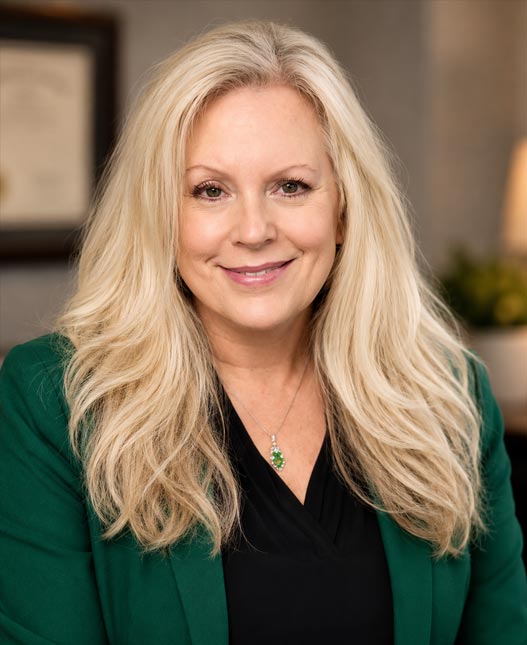
Valerie Sawyer, Attorney at Law
Valerie Sawyer focuses her practice on estate planning and probate law. A former Civil Air Patrol Squadron Commander and veterans advocate, she brings empathy, clarity, and precision to every estate planning engagement, especially for seniors, veterans, and families navigating complex healthcare planning needs.
Ask about healthcare and POA documents
Tell us who the documents are for and what has you thinking about them now. Valerie Sawyer's team will follow up to talk through what you need.
Submitting this form does not create an attorney-client relationship. Please do not include confidential details until we have spoken. This site is protected by reCAPTCHA and the Google Privacy Policy and Terms of Service apply.
Let's Get Your Healthcare Documents in Order
A complete Alabama estate plan includes both a healthcare power of attorney and an advance directive. Valerie Sawyer and Christopher Colvin serve clients across Birmingham, Mountain Brook, Hoover, Vestavia Hills, and all of Alabama.
Schedule a Consultation Call (205) 202-98014 Office Park Circle, Suite 305, Mountain Brook, AL 35223
Serving Birmingham, Mountain Brook, Hoover, Vestavia Hills, and all of Alabama.