
"Estate planning" can sound like something only wealthy people need. In reality, every Alabama adult who has people they care about, a spouse, children, aging parents, a business partner, has an estate and needs a plan for it. The options available in Alabama cover everything from a basic will to a fully funded revocable trust, and the right combination depends on your assets, your family situation, and your goals. This guide explains each option clearly so you can make an informed decision.
At Colvin & Sawyer Law Offices, Christopher Colvin and Valerie Sawyer help families across Birmingham, Mountain Brook, Hoover, Vestavia Hills, and throughout Alabama build estate plans that actually fit their lives.
"Estate planning is not about death. It is about making sure the people and things you care about are protected while you are alive, and provided for after you are gone."
Option 1: Last Will and Testament
A will is the foundational estate planning document for most Alabama families. A properly executed Alabama will:
- Names who inherits your assets after you die
- Names a personal representative (executor) to manage your estate
- Names a guardian for any minor children
- Can establish testamentary trusts for children or other beneficiaries
The limitation: A will must go through Alabama probate court before anything can be distributed to heirs, a process that takes a minimum of six months and costs 2-5% of the estate in fees. A will also becomes public record at death. See: Living Trust vs. Will in Alabama.
Option 2: Revocable Living Trust
A revocable living trust is the most comprehensive estate planning tool available to Alabama families. Unlike a will, a properly funded trust: Not sure which you need? See Living Trust vs. Will in Alabama.
- Avoids probate entirely, assets held in the trust transfer to beneficiaries in weeks, not months
- Provides incapacity protection, if you become unable to manage your affairs, your successor trustee steps in immediately without court involvement
- Stays private, unlike a will, a trust never becomes public record
- Coordinates complex assets, can hold real property, investment accounts, business interests, and personal property under one legal umbrella
A living trust is paired with a "pour-over will" that catches any assets not already in the trust at death. See: Revocable Living Trusts.
Option 3: Durable Power of Attorney
A durable power of attorney names a trusted person (your agent) to manage your financial and legal affairs if you become incapacitated, signing documents, managing accounts, paying bills, filing tax returns, and handling business matters on your behalf. Without a durable power of attorney, your family must petition an Alabama court to be appointed your conservator, which is expensive, slow, and public. See: Power of Attorney for Aging Parents in Alabama.
Option 4: Healthcare Power of Attorney
A healthcare power of attorney names a trusted person to make medical decisions on your behalf if you cannot make them yourself. This is separate from your financial power of attorney and addresses a completely different category of decisions, treatment choices, surgery, hospitalization, and end-of-life care.
Option 5: Advance Directive (Living Will)
An Alabama advance directive records your specific wishes about end-of-life medical treatment, whether you want life-sustaining treatment if there is no reasonable expectation of recovery, your wishes about artificial nutrition, pain management preferences, and organ donation. It guides your healthcare agent and medical providers when you cannot speak for yourself. See: Healthcare POA vs. Advance Directive in Alabama.
Not sure which Alabama estate planning documents you need?
Call Colvin & Sawyer Law Offices at (205) 202-9801 or send us a message. We help Alabama families build the right plan for their specific situation.Option 6: Beneficiary Designations
Life insurance, IRAs, 401(k)s, and bank accounts with payable-on-death designations all pass outside of your will or trust, directly to whoever is named as beneficiary. This makes beneficiary designations one of the most powerful, and most overlooked, parts of any Alabama estate plan. An outdated beneficiary designation naming an ex-spouse, a deceased person, or a minor child can override everything in your carefully drafted will or trust. Review and update them every few years and after any major life change.
Ready to build the right combination for your family?
Talk to attorney Valerie Sawyer's team: (205) 202-9801 or start with our Alabama estate planning services.What Does a Complete Alabama Estate Plan Look Like?
For most Alabama families, a complete estate plan includes:
- A will (or a pour-over will paired with a living trust)
- A revocable living trust for families with significant assets or real property
- A durable power of attorney for financial and legal matters
- A healthcare power of attorney
- An advance directive
- Reviewed and updated beneficiary designations
Alabama Estate Planning Documents, At a Glance
- Will: Who inherits, executor, guardian for children, goes through probate
- Revocable Living Trust: Avoids probate, incapacity protection, private
- Durable POA: Financial/legal authority if you are incapacitated
- Healthcare POA: Medical decision-making authority
- Advance Directive: Your specific end-of-life treatment wishes
- Beneficiary Designations: Pass assets outside of will/trust, keep current
Frequently Asked Questions
What documents do I need for a complete Alabama estate plan?
A complete Alabama estate plan typically includes a will or revocable living trust, a durable power of attorney, a healthcare power of attorney, and an advance directive. Proper beneficiary designations on life insurance and retirement accounts are also essential parts of the plan.
Do I need a will or a living trust in Alabama?
Both are valid options. A will is simpler and less expensive upfront but requires probate at death. A revocable living trust avoids probate, provides incapacity protection during life, and keeps your estate private. For most Alabama families with significant assets or real property, a living trust provides significantly more value.
What is the difference between a power of attorney and a healthcare power of attorney in Alabama?
A durable power of attorney authorizes someone to manage your financial and legal affairs if you become incapacitated. A healthcare power of attorney authorizes someone to make medical decisions on your behalf. They serve different purposes and both are important parts of a complete Alabama estate plan.
Does Alabama have any special estate planning considerations?
Yes. Alabama has no state estate tax or inheritance tax, which simplifies planning somewhat. Alabama's probate process requires a minimum six-month creditor period, making probate avoidance through a living trust particularly valuable. Alabama also has a unique two-step LLC formation process relevant to business owners doing estate planning alongside their business planning.
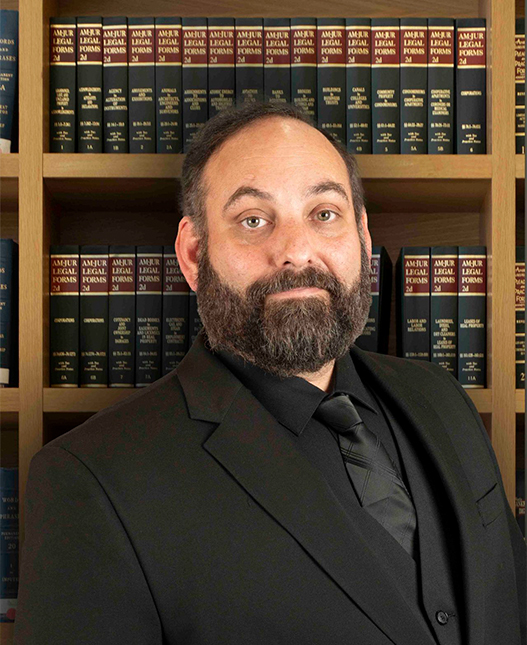
Christopher Colvin
Christopher Colvin is an Alabama attorney and honor graduate of the Birmingham School of Law. A former small business owner and pastor, he helps families and entrepreneurs across Birmingham, Mountain Brook, Hoover, Vestavia Hills, and all of Alabama protect their assets and build legally sound businesses.
Ready to Build Your Alabama Estate Plan?
Christopher Colvin and Valerie Sawyer help Alabama families across Birmingham, Mountain Brook, Hoover, Vestavia Hills, and all of Alabama build estate plans that actually fit their lives, not generic forms.
Schedule a Consultation Call (205) 202-98014 Office Park Circle, Suite 305, Mountain Brook, AL 35223
Serving Birmingham, Mountain Brook, Hoover, Vestavia Hills, and all of Alabama.